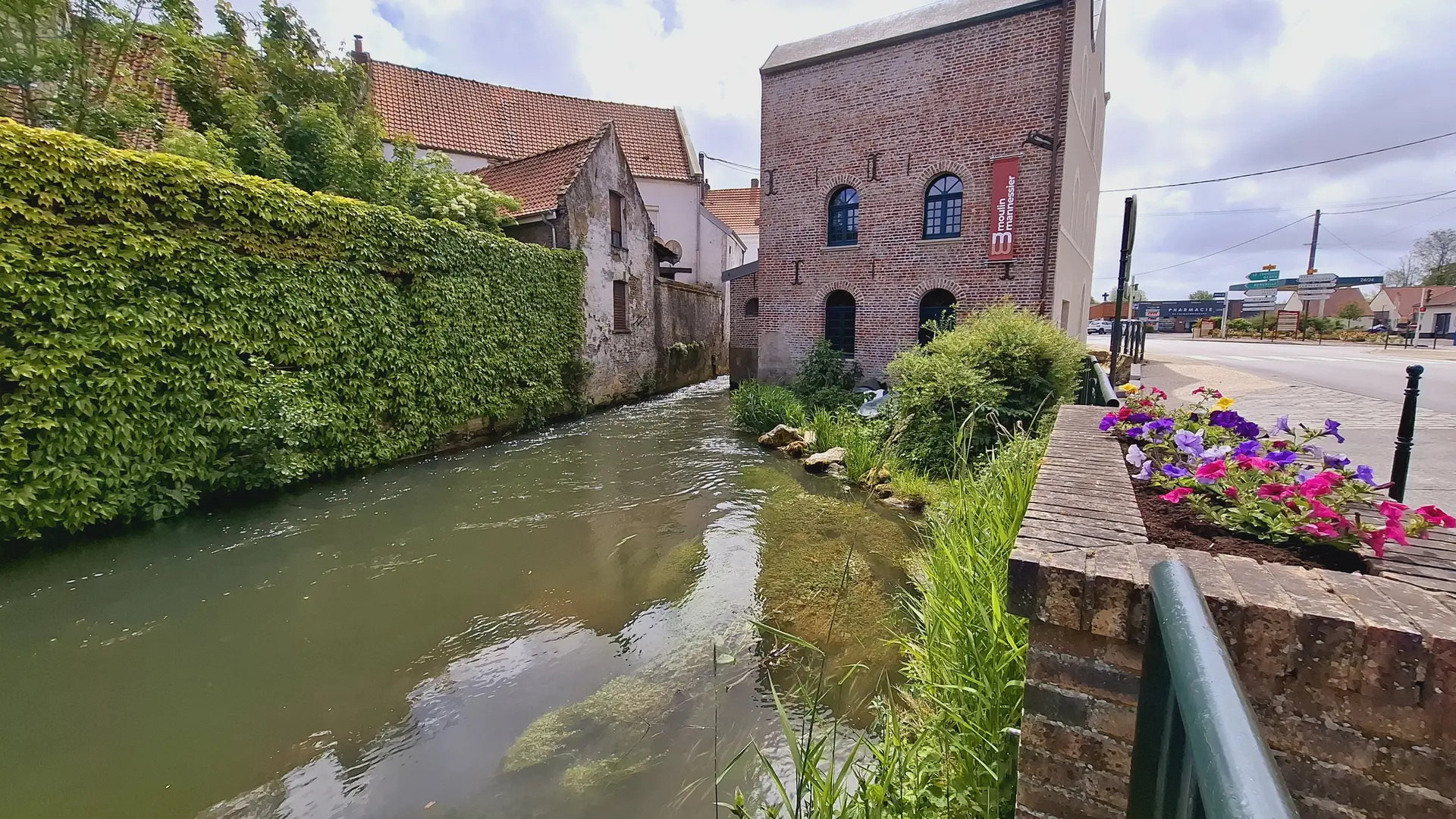
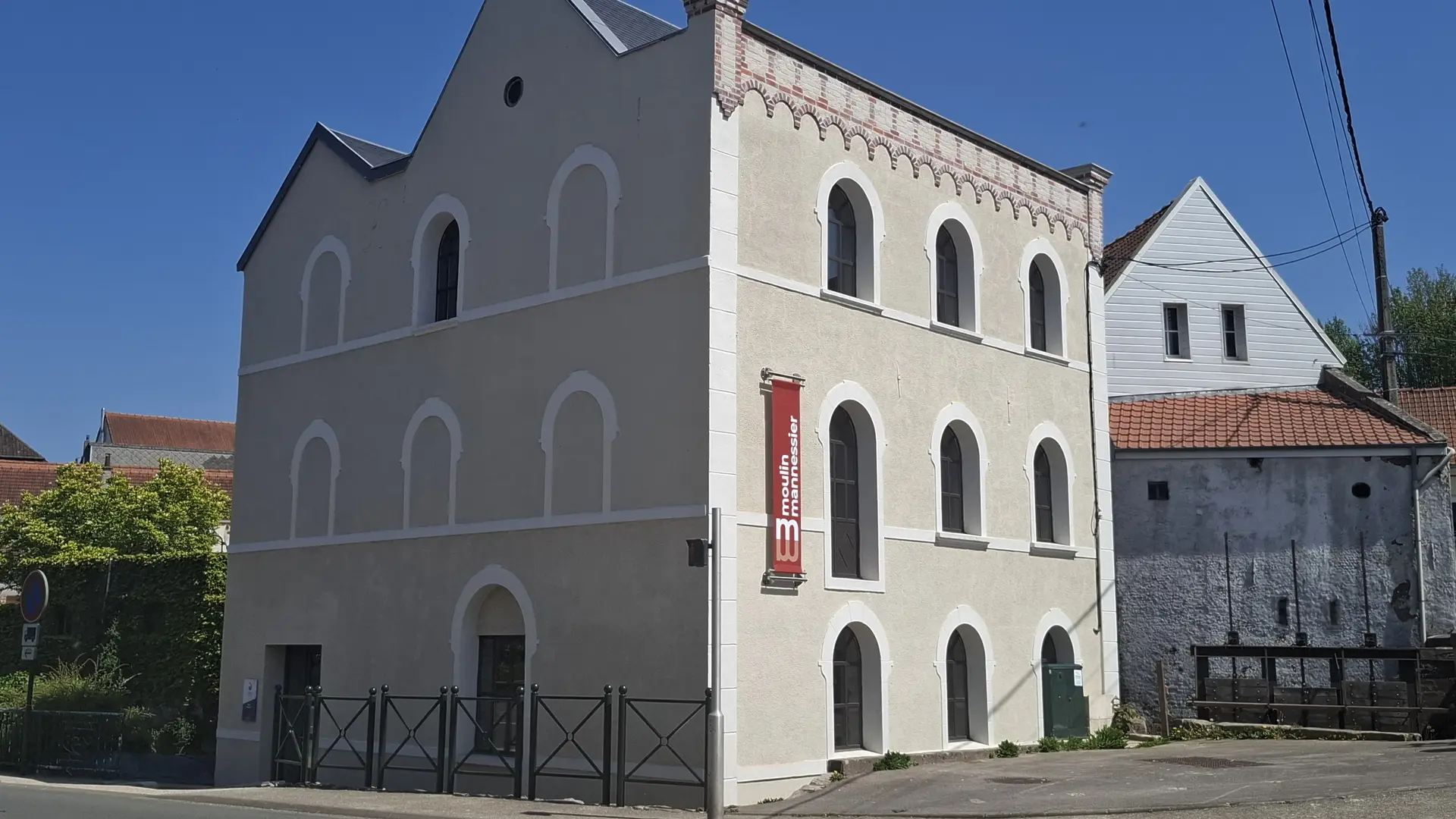
The old flour mill in Fauquembergues has moved some of its machinery to invite you to discover the local history of flour milling. Take part in a fun, guided tour, free of charge!
AN INTIMATE PLACE STEEPED IN HISTORY...
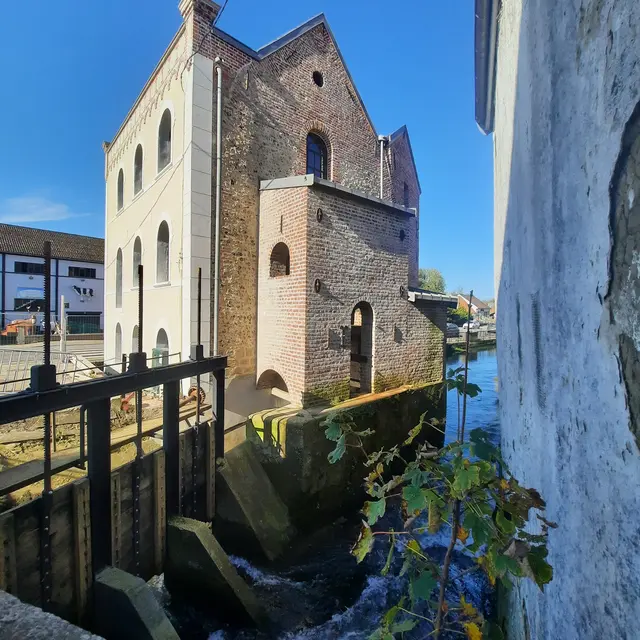
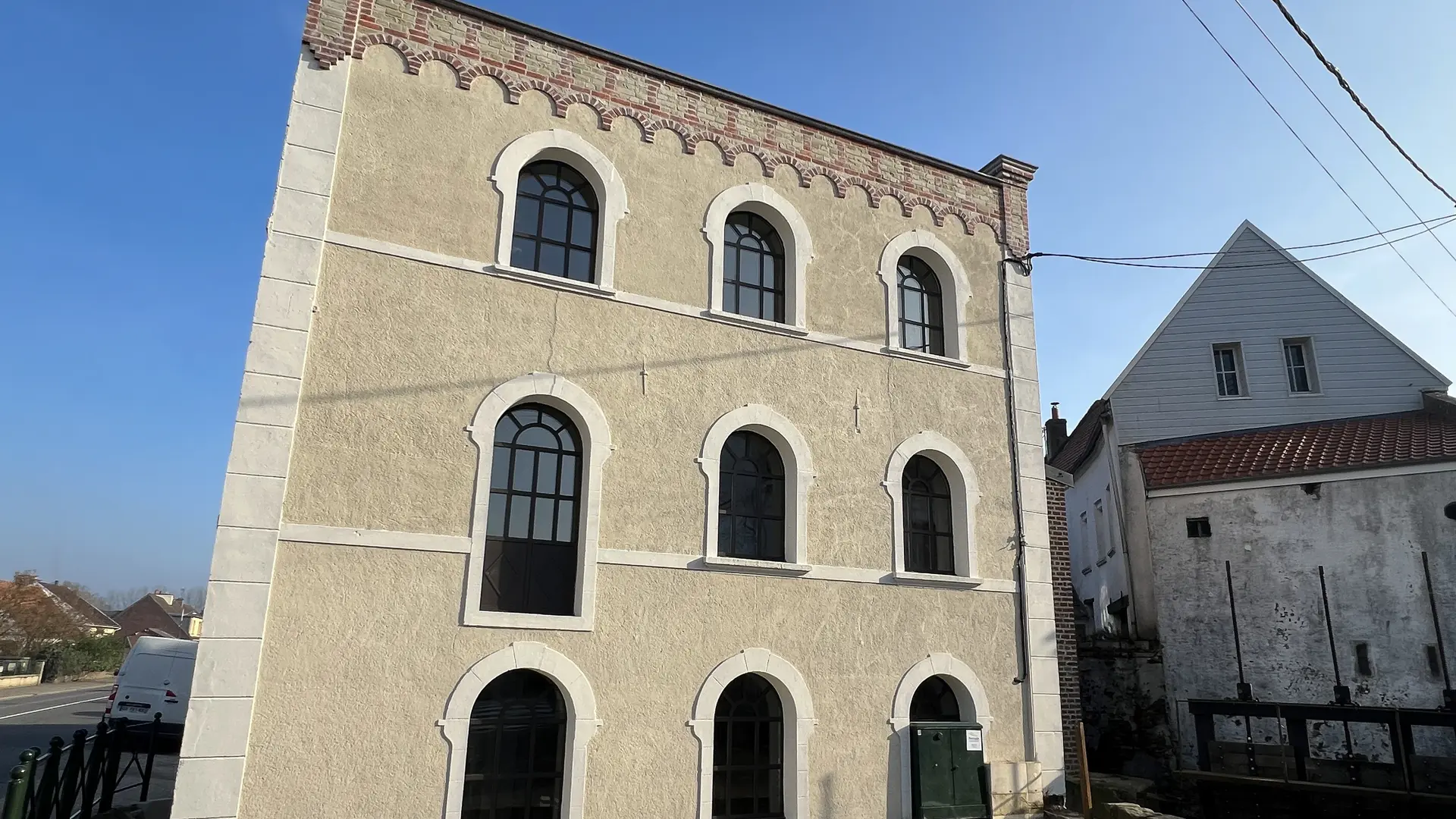
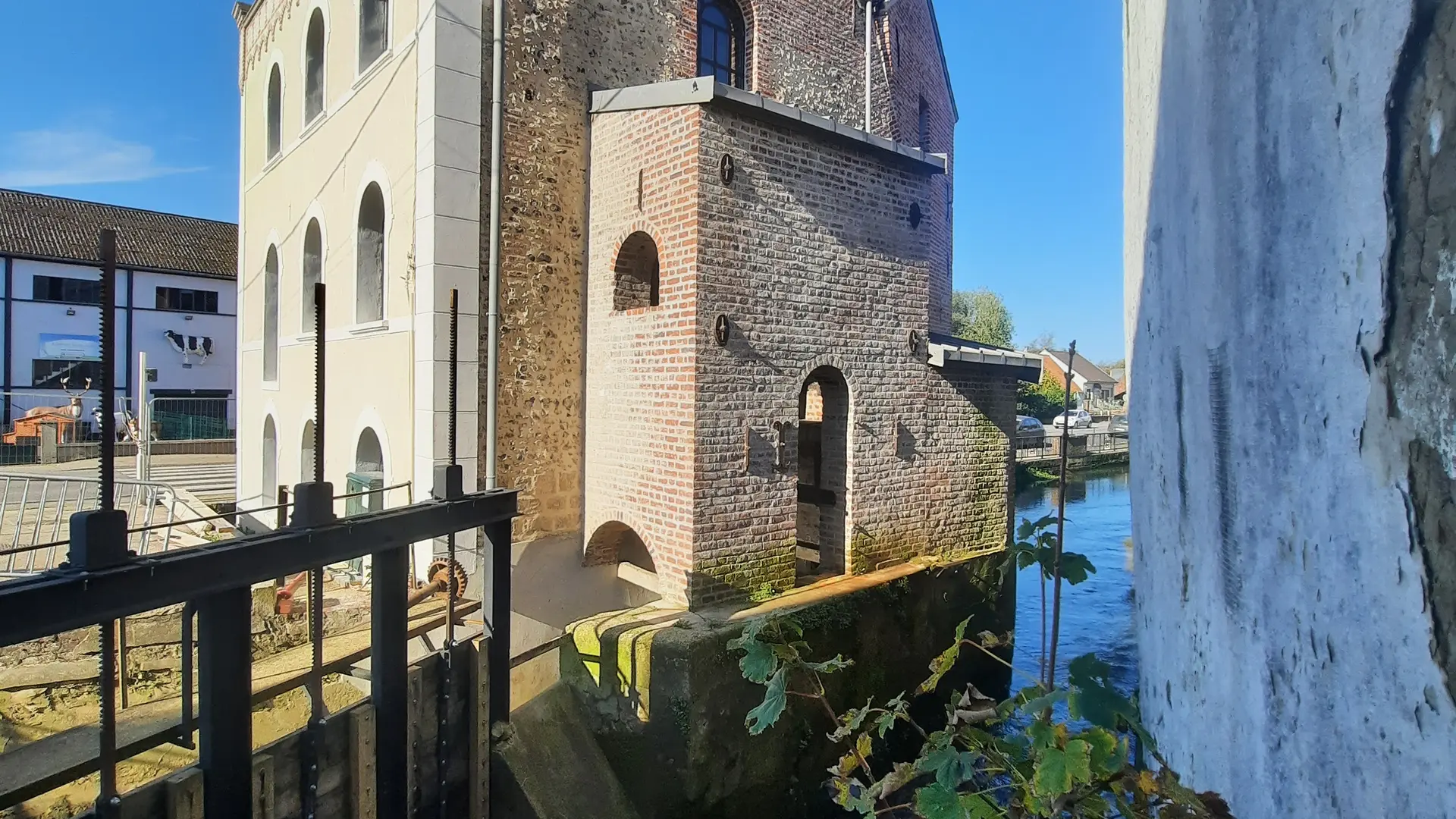
For over 800 years, this mill turned the waters of the River Aa to produce flour, oil... and even electricity! Transformed into a flour mill under the Mannessier family, the last milling family to operate it, it ceased trading in 1978. Now owned by CAPSO, it is run by the Comité d'Histoire du Haut-Pays.
In the heart of the old mill, five retractable trays invite you to (re)discover the flour mill in its local historical context, while exploring the skills and techniques of milling and the mills that were at the origin of the economic development of the Aa and Lys valleys. It's an original visit, with hands-on games, models and projections, and a friendly atmosphere guaranteed!
ONE PLACE, THREE USES
1- La Fabrique, a playful scenography
In the heart of the old factory, five retractable trays invite you to (re)discover the flour mill in its local historical context, while exploring the skills and techniques of milling and the mills that were at the origin of the economic boom in the Aa and Lys valleys. It's an original visit with hands-on games, in a friendly atmosphere guaranteed!
2- The Shop, a local showcase
The mill's shop is open to visitors on the days when it is open, and features a local history bookshop with games and related products. In "temporary shop" mode, it can welcome craftspeople and tradespeople - closely linked to the skills and techniques - to promote their activity.
3- The power station, a hydroelectric generating unit
Since before 1900, the Mannessier mill has been producing its own electricity. It will soon return to this role, producing the greenest energy possible.
WHAT TO EXPECT EACH SEASON
As well as the weekly guided tours, the Mannessier Mill offers a range of activities for young and old alike: workshops, games, storytelling, exhibitions, tours, etc. The opening season is punctuated by events such as the Fête des Moulins (3rd weekend in May), the European Heritage Days and our festive closing event on Saint-Winocq Day in October!