©

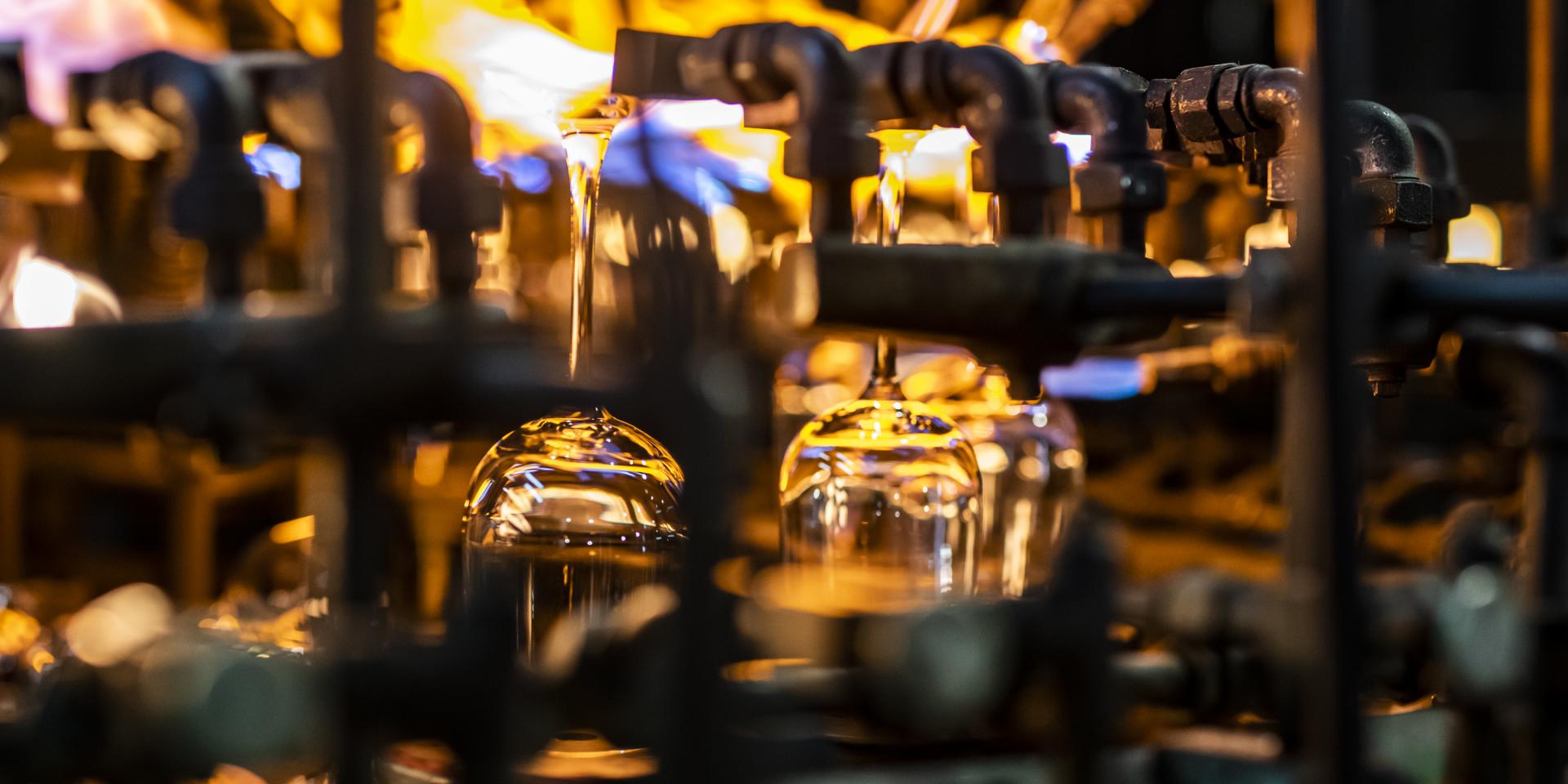
Arc International Crystal Furnace Glass Factory

|

Arc International

Arc 1825

Journey to the Centre of Glass

Discovering Arc is like stepping into the heart of a glassmaking tradition that has been passed down since 1825. Based in Arques since its inception, France’s largest glass and crystal manufacturer is open to visitors. Inside the factory, I went behind the scenes to see how the collections of the world’s leading tableware manufacturer are made. Before doing a spot of shopping in the huge Arc Outlet factory shop.

The Arc Saga

Luminarc®, Arcopal®, Arcoroc®, Cristal d’Arques®, Chef&Sommelier®: these brands have been part of the daily lives of generations of French people. Arc is a fascinating industrial saga. In Arques, a town of just under 10,000 inhabitants near Saint-Omer, 4,500 people work for Arc France.

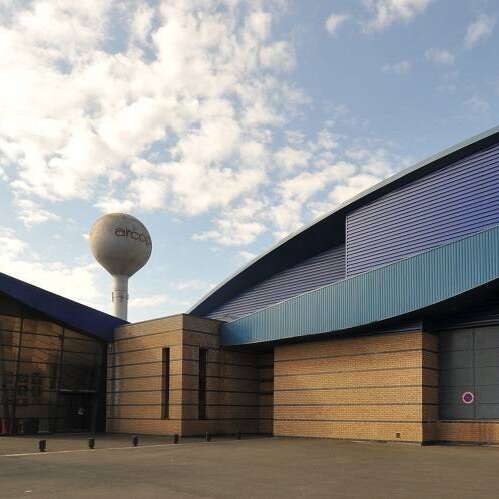
Near the Neufossé Canal, the sheer scale of the factories, spread over 200 hectares, has always astounded me. Like me, around 20,000 visitors enter the site each year – which is subject to very strict safety standards – for well-organised guided tours starting from the Arc Outlet factory shop.

From glassware to crystal

After passing through part of the industrial estate, the tour begins with a film. The glassworks was founded in 1825. 100 years later, Arc built its first tank furnaces and installed its first presses.

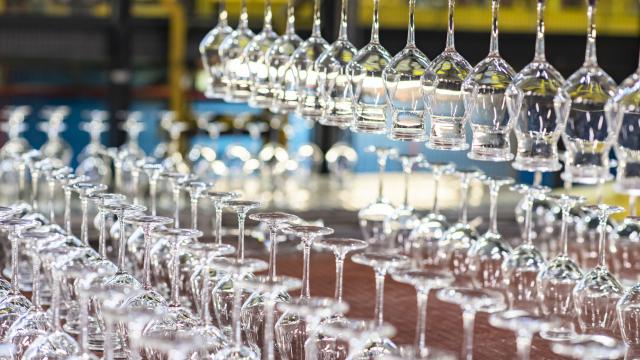
The first glass-blowing machines appeared in 1948. Opal glass and impact-resistant glass were introduced in 1958. Automated production of stemmed glassware began in 1960. Ten years later, the company pioneered the world’s first mechanised production of crystal. This was a true revolution, making crystal accessible to everyone. Since then, the Group’s R&D division has continued to innovate. New types of glass have emerged, including Krysta®, an extra-strong lead-free crystal that is as sparkling and resonant as crystal, coloured opal and culinary opal (voted ‘Product of the Year 2019’).

World leader in glass

World leader in glass

A family-run business since 1895, led by three generations of the Durand family, the glass group was taken over in 2015 by the American firm PHP. The figures are staggering. The group’s five brands are sold in 160 countries, and it has four production sites: in France, the United States, China and the United Arab Emirates.

Arques is, of course, the main production site, churning out 3 million items a day, with 10 furnaces and 50 production lines. We are right next to Furnace L, the largest one, which produces 700,000 pieces a day and which we are about to enter, after watching a second film that reveals all the techniques involved in glass production. As I leave the theatre, I know everything (or almost everything) about the techniques of glassblowing, pressed glass, turned glass, the creation of stemmed glasses and tempered glass.

Technical Preamble

Before entering the kiln, the guide goes into detail about a few key stages: preparing the mixtures, heating techniques, the layout of a kiln, and the importance of maintaining the moulds (they must be polished every 8 hours!).

Sand, soda, lime and crushed glass (groisil), heated to 1500°C, create a molten glass paste which is channelled into several distribution channels, each feeding a different production machine. Each channel releases a drop that is precisely calibrated in terms of both shape and weight – ranging from 35 g for a stemmed glass to 3 kg for a vase.

The underside of the glass

It’s time to step inside the monster. The noise is deafening, the heat intense, between 30 and 40°C. Here, production never stops. Here are the famous molten droplets, pressed and blown before our very eyes to become stemmed glasses, beer mugs and tumblers. Flames, gusts of heat – it’s being fired, it’s being annealed; it’s a ceaseless ballet. It takes just 30 seconds to make a cup, but three hours for a stemmed glass.

The fully automated production process guarantees the highest standard of quality. The walkway then takes us to the exit of the annealing tunnel for another ballet. One by one, the items are checked – for size, appearance and feel – before being packed automatically. All waste is recycled, and the company adheres to a very strict quality charter and process. We could spend hours watching the glass’s journey, but we’re off to the factory shop, where hundreds of products await us – products whose manufacturing secrets we now know.